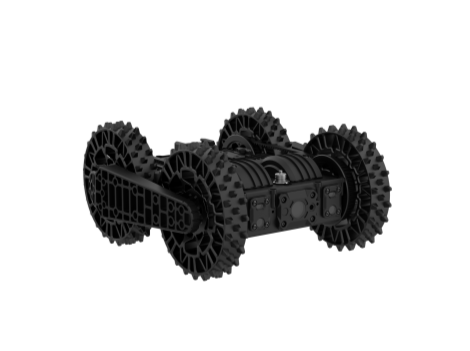
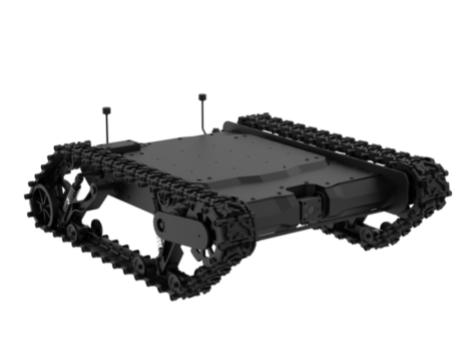
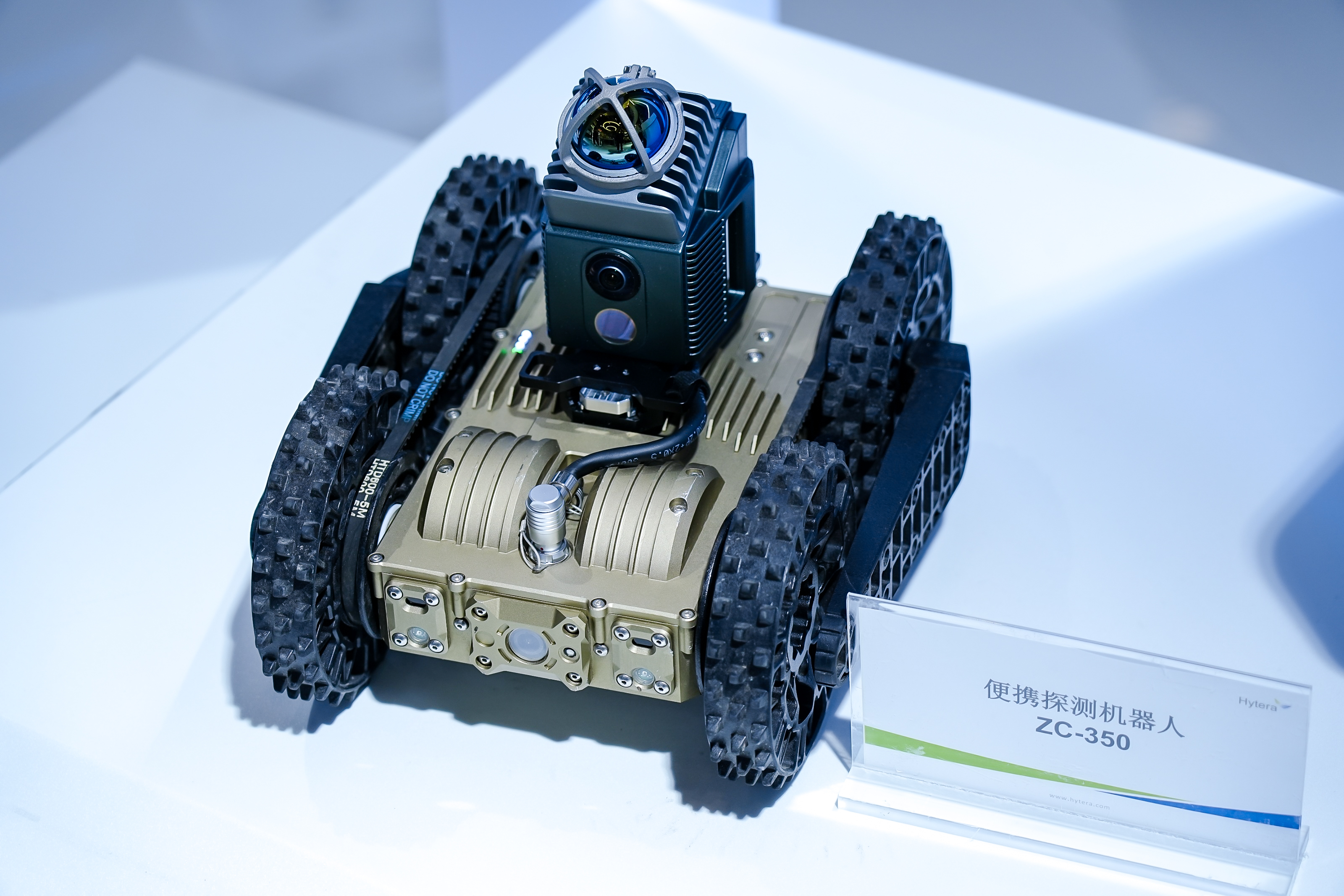
On September 8, the 2026 China International Emergency Management Exhibition opened at the China National Convention Center in Beijing. M2-ROBOT showcased the ZC-350 Portable Detection Robot, the ZC-580 Small Tracked All-Terrain Robot, and emergency response solutions, demonstrating their capabilities in disaster-site detection, complex-terrain mobility, long-range observation, and information transmission.
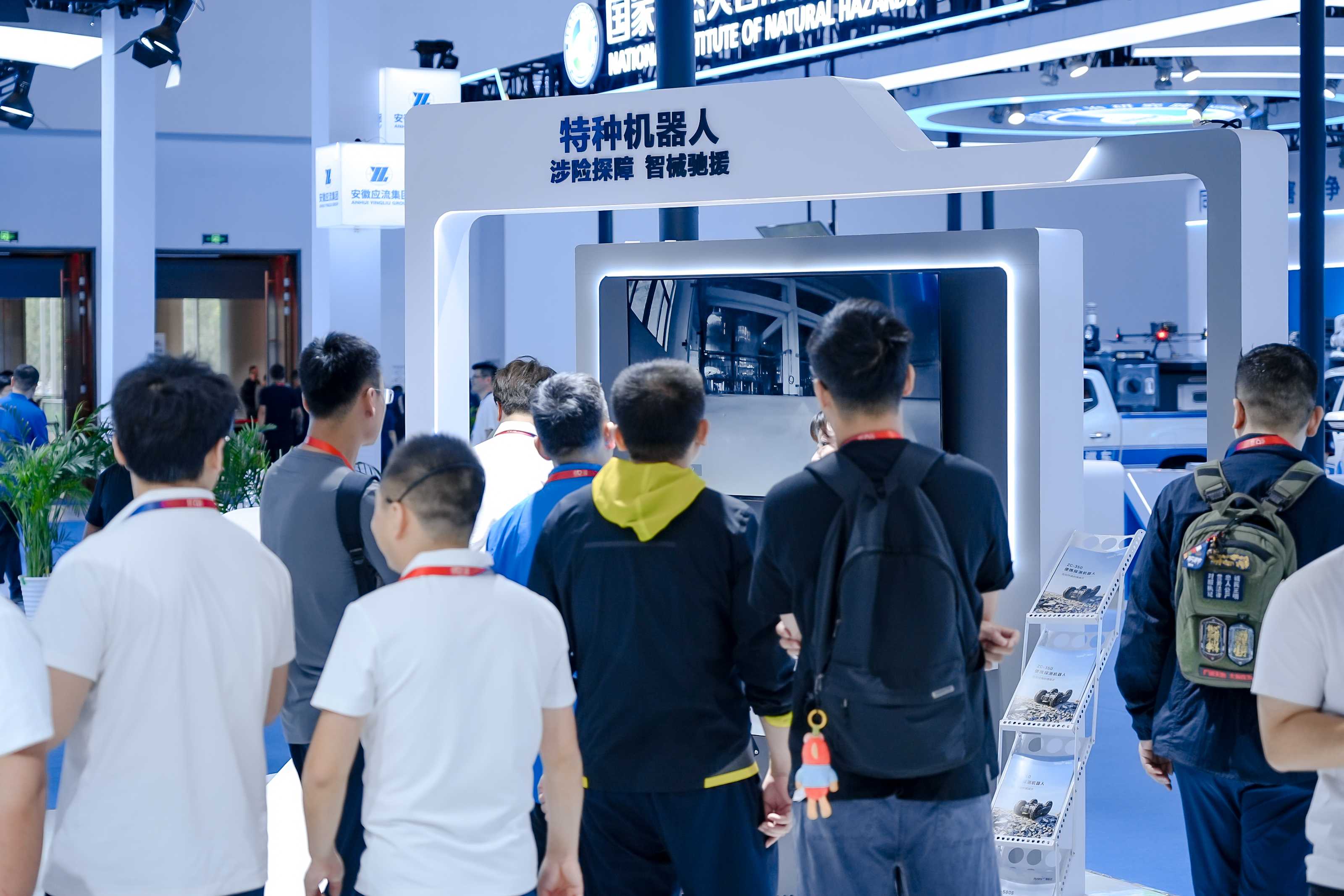
During the exhibition,ROBOTANK's products and solutions attracted strong interest from professionals in emergency management, fire and rescue, and public safety. Visitors exchanged views with the team on practical deployment, complex-terrain adaptability, mesh-network communications, and modular expansion, providing positive feedback on the solutions presented.
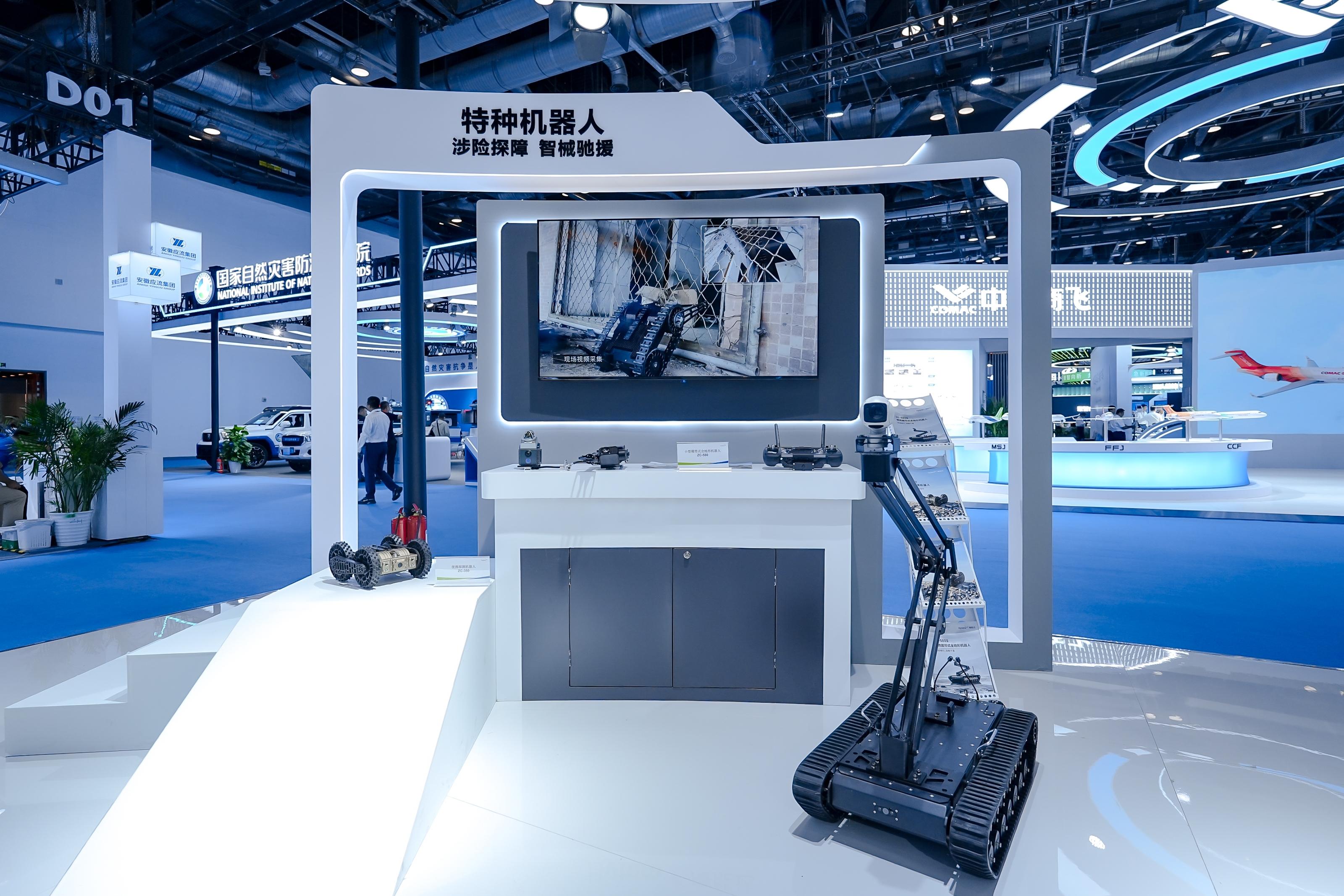
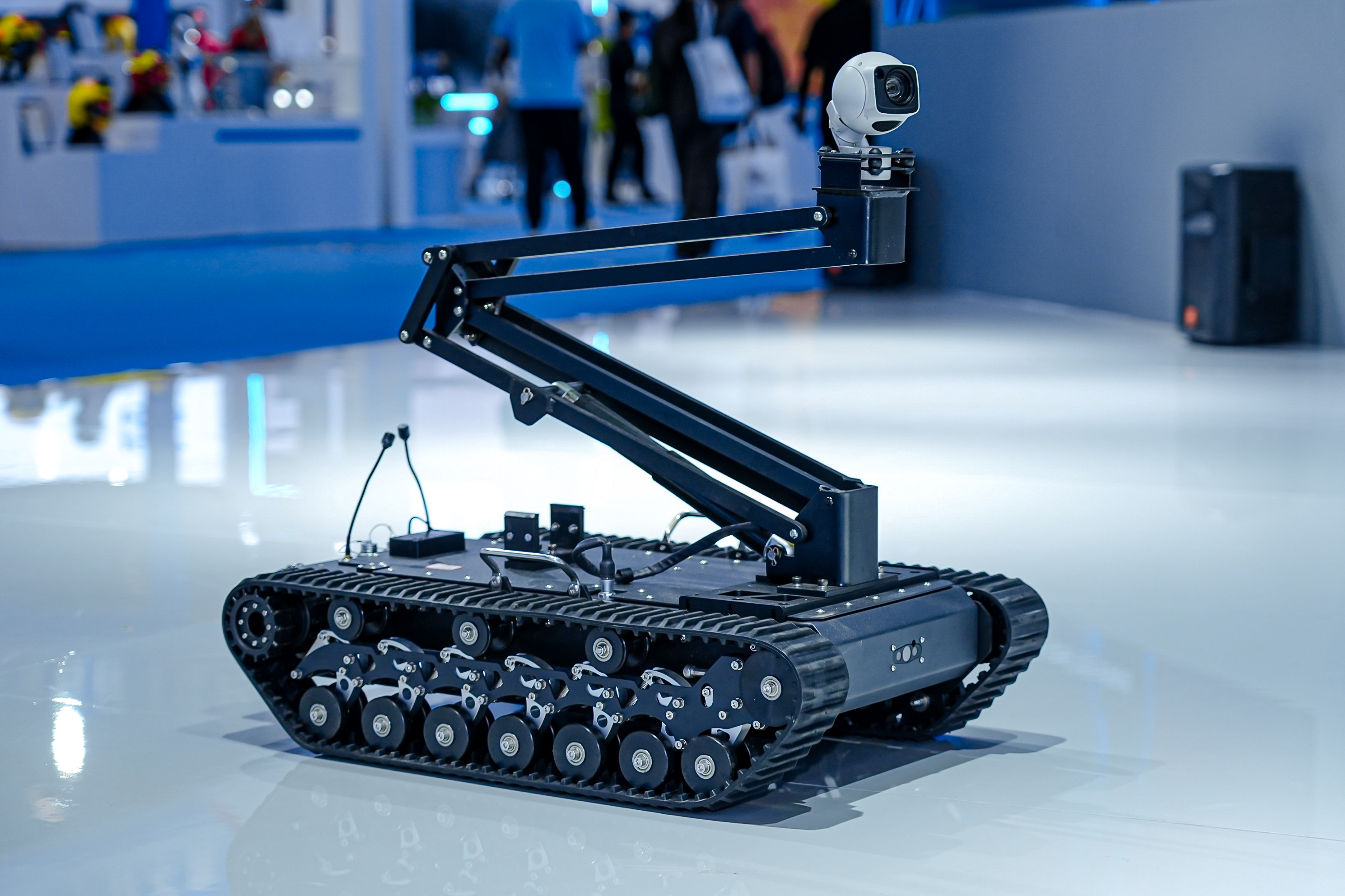
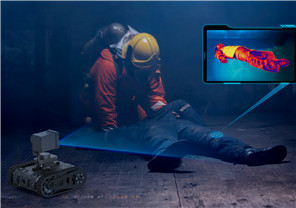
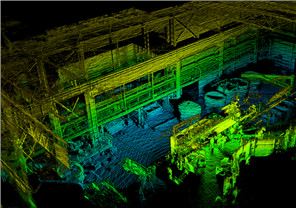
The ZC-350 Portable Detection Robot features a compact design and flexible deployment, allowing it to enter building interiors, narrow passages, underground spaces, and gaps in rubble that may be difficult for personnel to access quickly. Depending on mission requirements, it can also be equipped with thermal imaging, gas detection, 3D LiDAR, two-way communication, and other functional modules for environmental detection, survivor search, hazardous gas inspection, and on-site audio and video collection.
Solutions Designed for Real-World Needs Receive Positive Feedback
At the exhibition, visitors discussed real-world requirements in fire and rescue, earthquake search and rescue, and underground-space detection with the M2-ROBOT team. The “robot platform + mission module” approach to emergency response received positive feedback from industry professionals.
Looking ahead, ROBOTAN will continue to focus on real-world mission requirements and invest in the development of platform-based, modular, and intelligent robotic systems, further improving product reliability, adaptability, and coordinated operational capabilities in complex environments. Through reliable robotic products and field-proven solutions, M2-ROBOT aims to send robots into hazardous areas first, helping rescue teams identify risks earlier and obtain critical information faster—Built for Tough Missions.