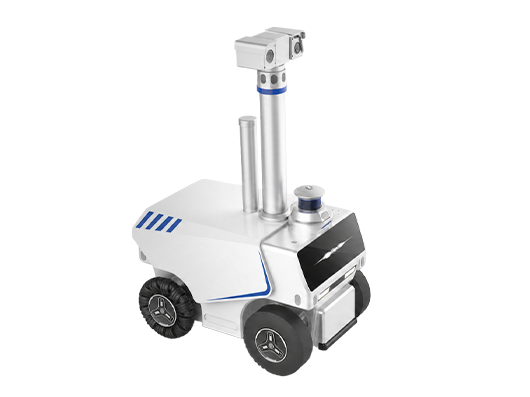
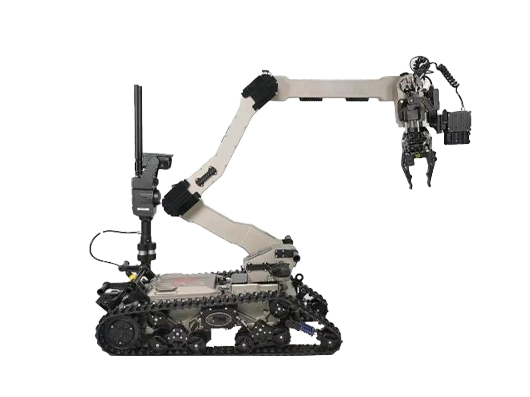
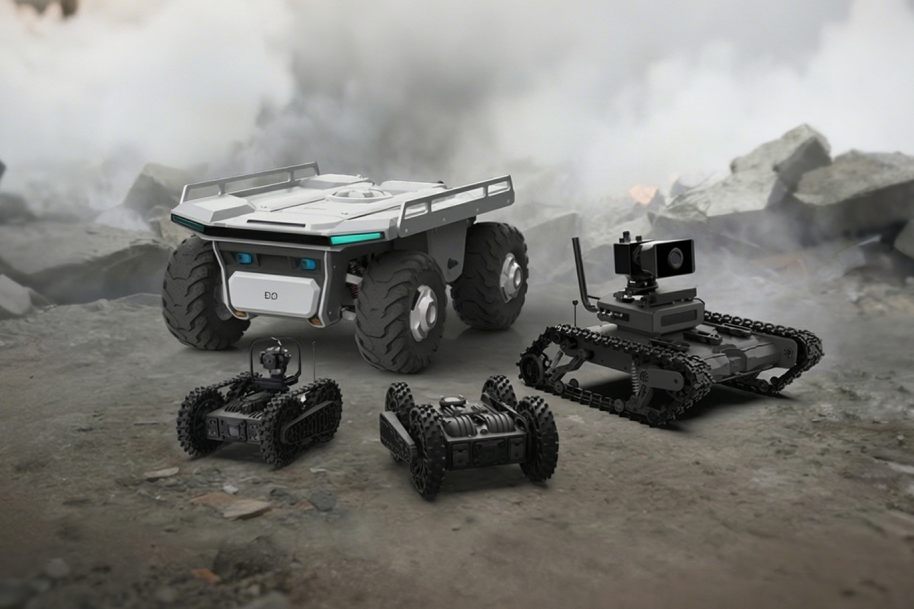
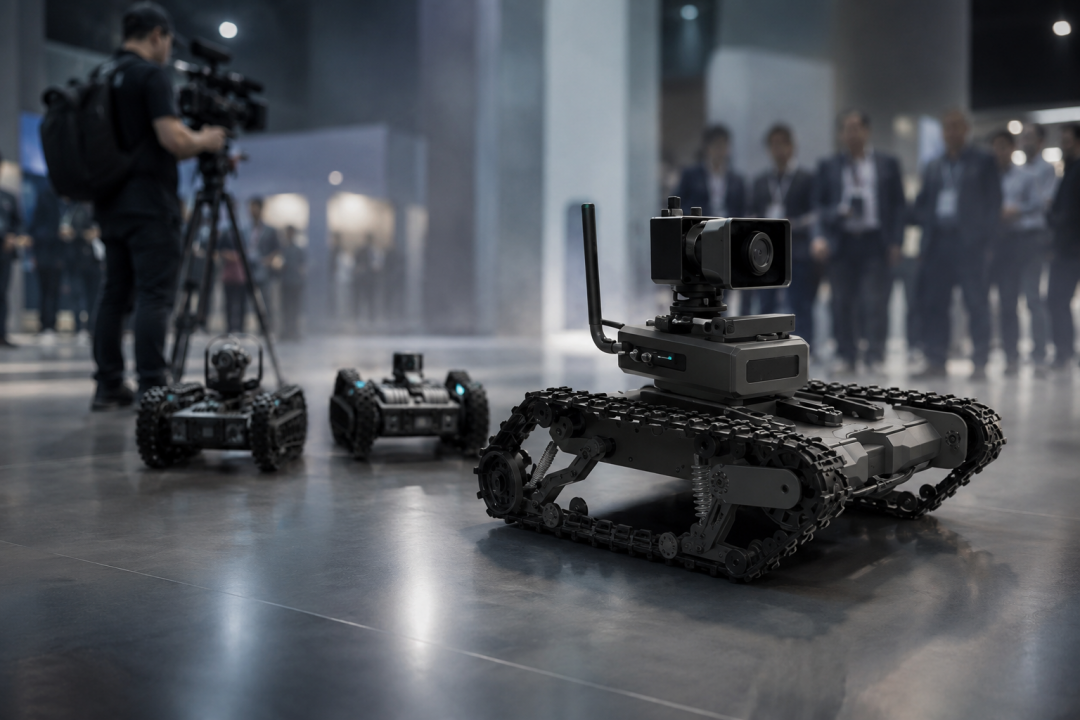
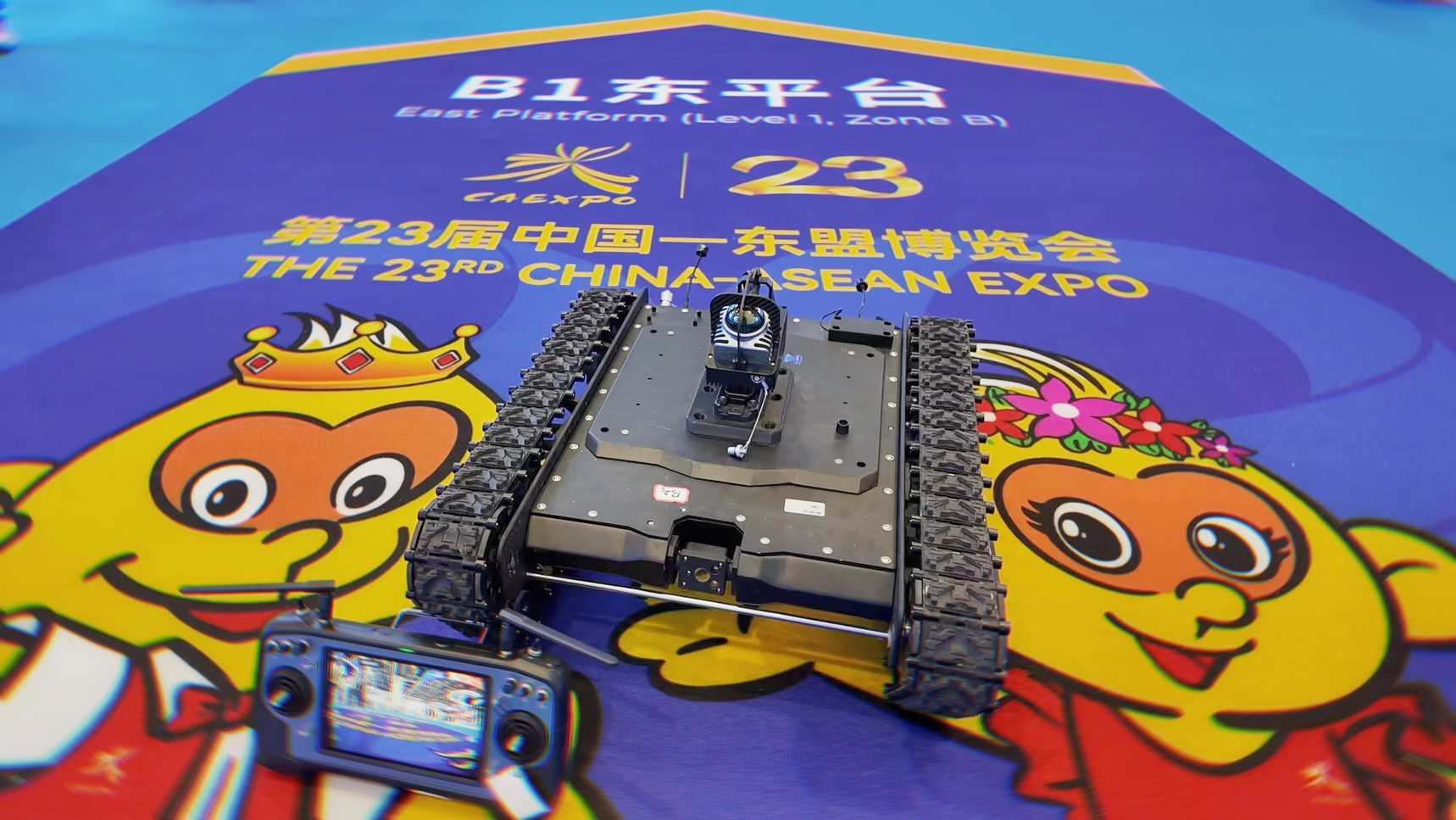
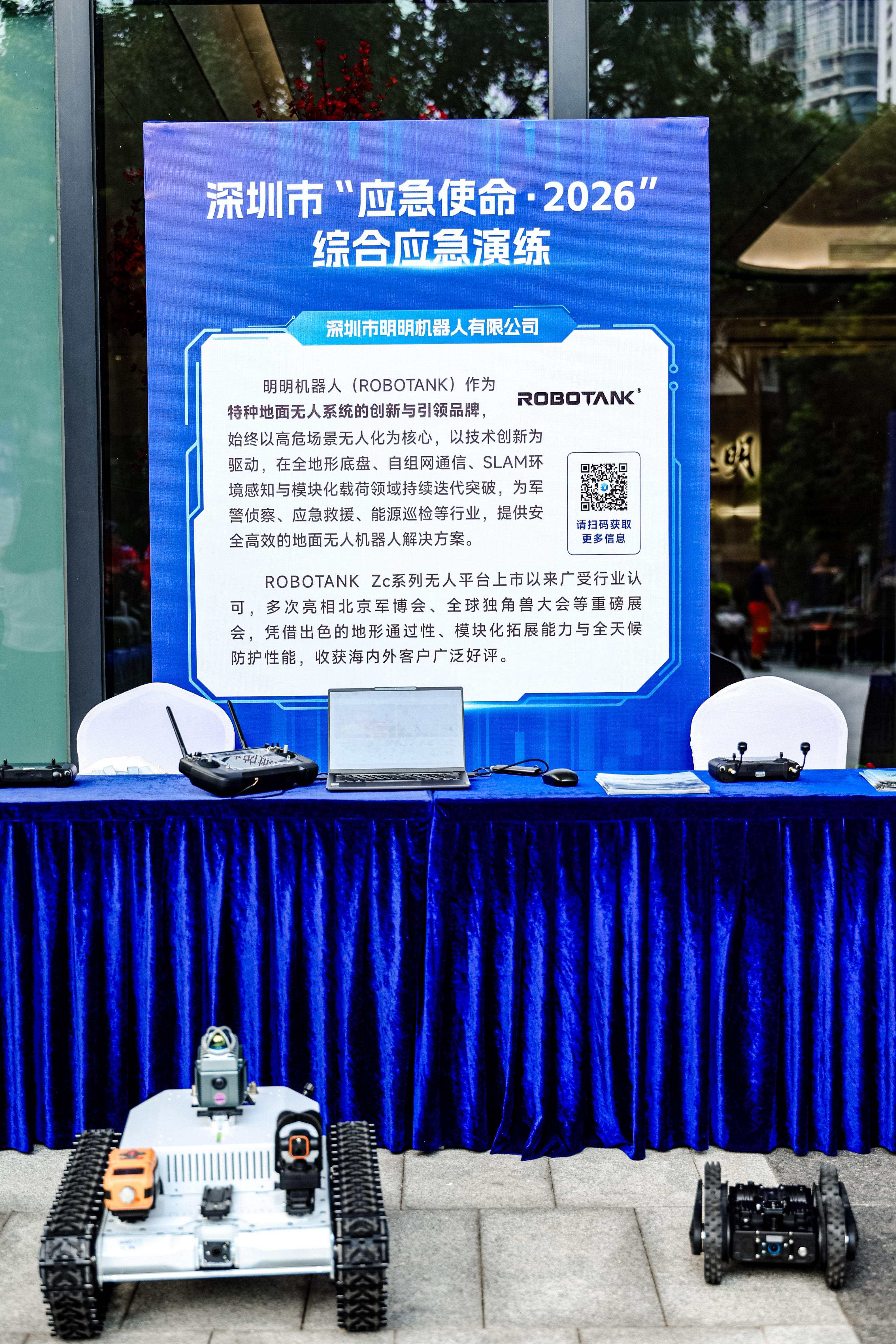
ROBOTANK recently participated in Shenzhen’s “Emergency Mission 2026” comprehensive emergency response drill, showcasing the ZC-350 Portable Reconnaissance Robot and the ZC-580 Compact Tracked All-Terrain Robot. Designed for reconnaissance and emergency search and rescue in complex environments, these platforms help responders gather information from the scene and assess potential risks.
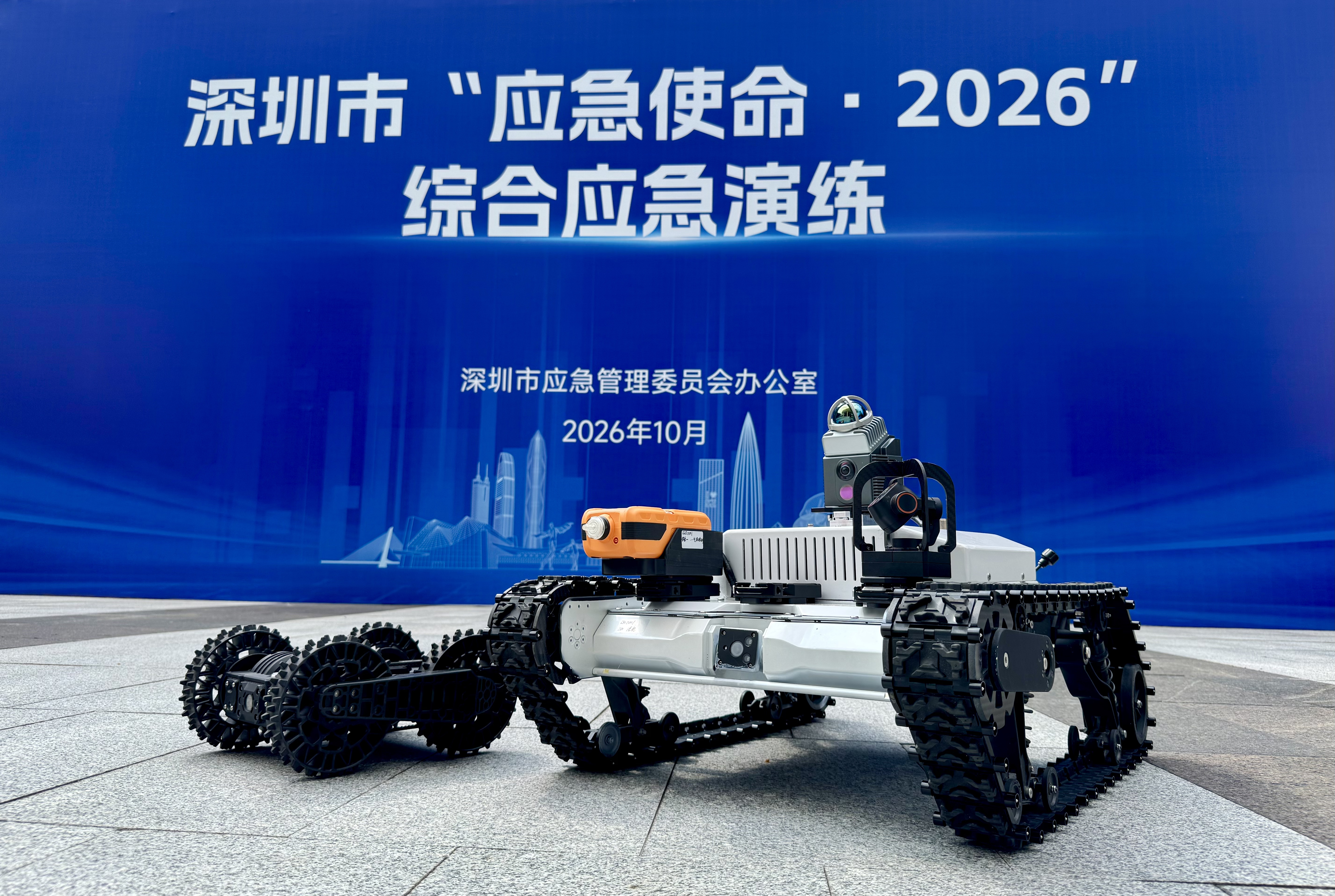
The drill operated through a three-tier command structure linking the on-site command post, district command centre and municipal headquarters. In Nanshan District, two exercise scenarios were conducted with orderly command and smooth coordination. All response tasks were completed according to plan, testing emergency command capabilities and inter-agency coordination.
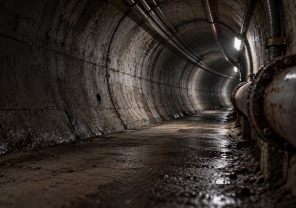
Emergency rescue operations often involve confined spaces, difficult terrain and uncertain conditions. Deploying robots ahead of personnel helps teams understand the situation before entering, reducing rescuers’ exposure to unknown hazards.
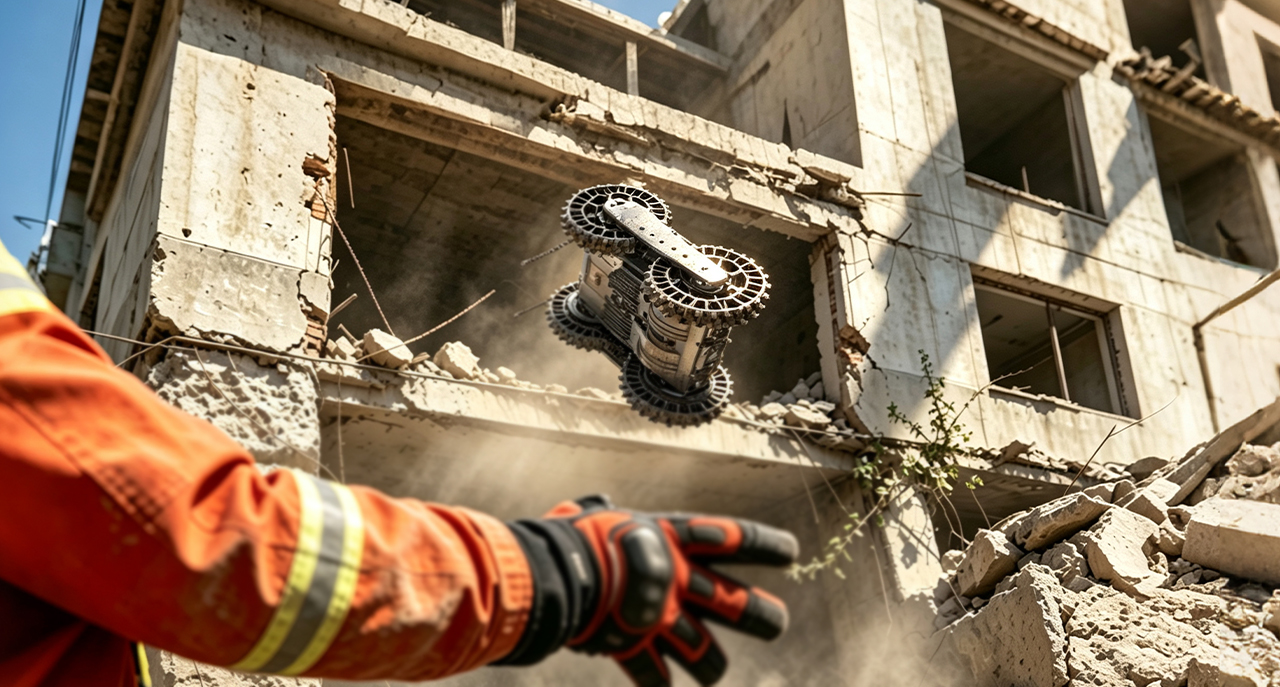
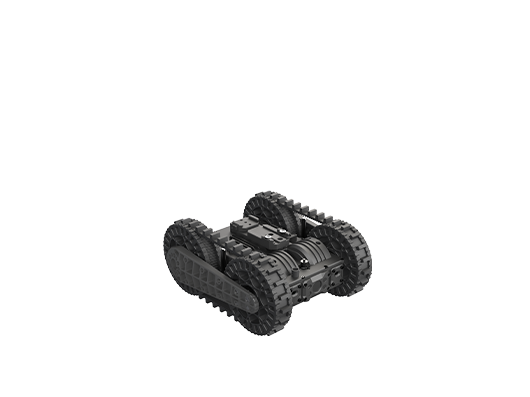
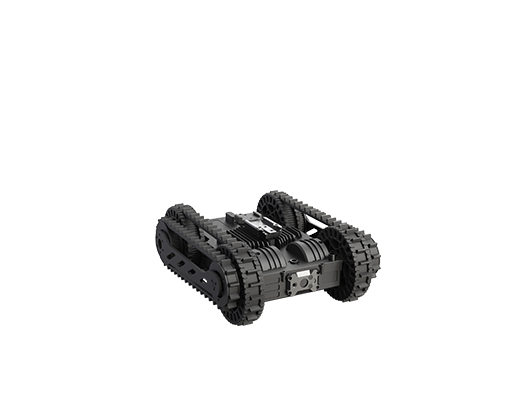
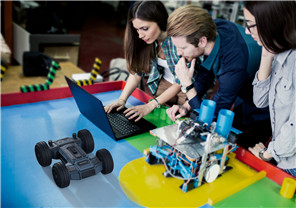
The ZC-350 Portable Reconnaissance Robot features a compact design for easy carrying and rapid deployment. Remotely operated, it can enter areas that are difficult for personnel to access and collect on-site audio and video. With automatic self-righting and modular expansion capabilities, it supports tasks such as narrow-space reconnaissance and on-site observation, providing information for subsequent rescue operations.
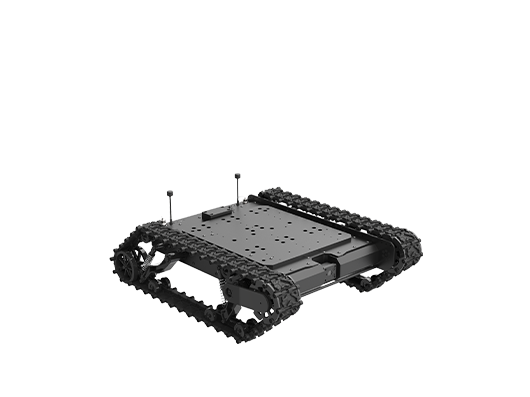
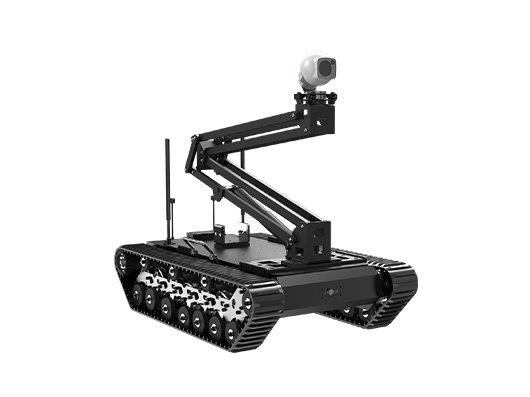
The ZC-580 Compact Tracked All-Terrain Robot combines a tracked drive system with trailing-arm independent suspension. It can traverse challenging terrain such as sand, gravel and slopes while reducing ground impacts, providing a stable mobile platform for sensing equipment.
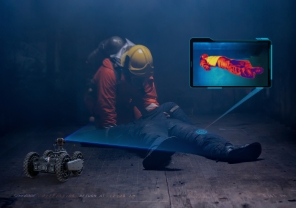
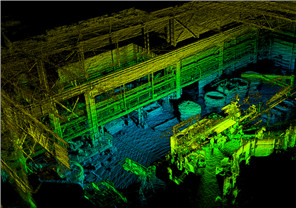
At the drill, the ZC-580 carried an integrated multi-sensor payload combining LiDAR, thermal imaging and gas detection. This brings spatial data collection, heat-source detection and gas monitoring together on a single platform. LiDAR scans the surroundings to generate 3D spatial maps; thermal imaging searches for heat sources to help locate trapped people; and gas detection collects on-site readings to support environmental risk assessment.
By combining these sensing capabilities, the robot helps rescuers understand the environment ahead through information on spatial structure, heat-source distribution and gas conditions. This provides additional input for selecting reconnaissance routes and developing rescue plans.
ROBOTANK will continue to focus on practical emergency response needs, enhancing the capabilities of its robotic platforms and sensing modules while integrating them into rescue workflows. By sending robots into complex environments first, the company aims to support personnel safety and informed, evidence-based rescue operations.