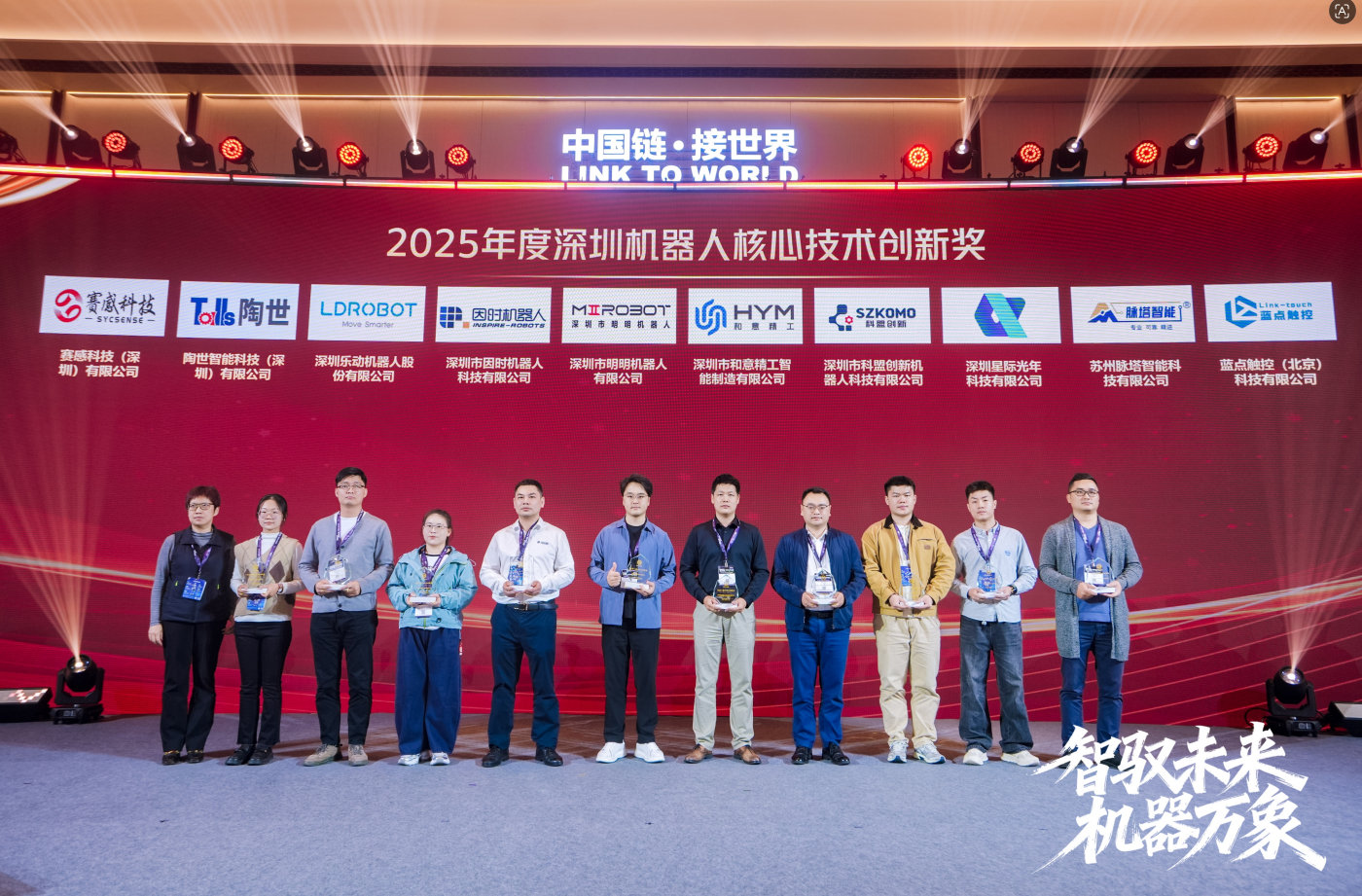
The 2025 Annual Awards Ceremony, hosted by the Shenzhen Robotics Association, recently concluded successfully. Mingming Robotics received the 2025 Core Technology Innovation Award for its technological breakthrough in the suspicious-object neutralisation module.
This award not only represents renewed industry recognition of the company’s research and development capabilities, but also marks a significant step forward in the multifunctional integration of special-purpose robots. It enables Mingming Robotics to provide more efficient, end-to-end solutions for public safety and emergency response scenarios.
In real-world operations such as counterterrorism, riot control and emergency hazard response, the efficiency of the transition from detecting a threat to neutralising it directly affects personnel safety and mission effectiveness.
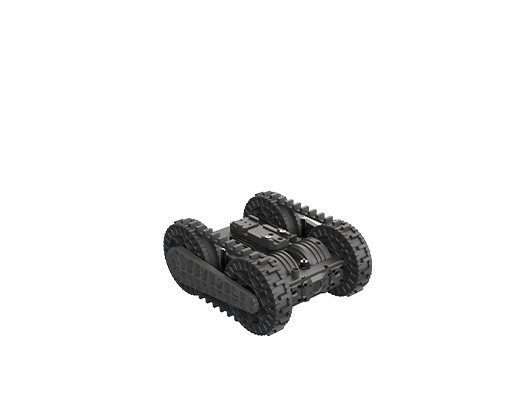
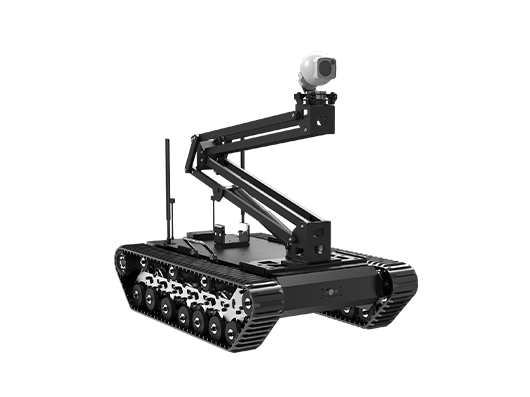
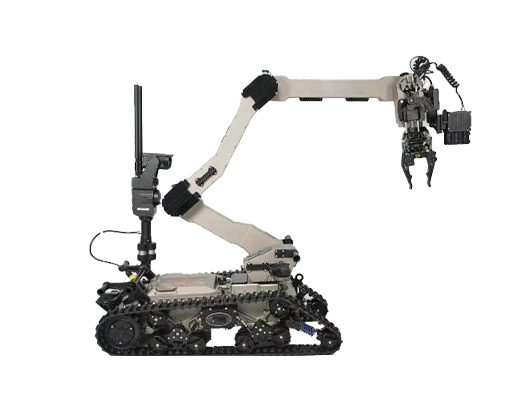
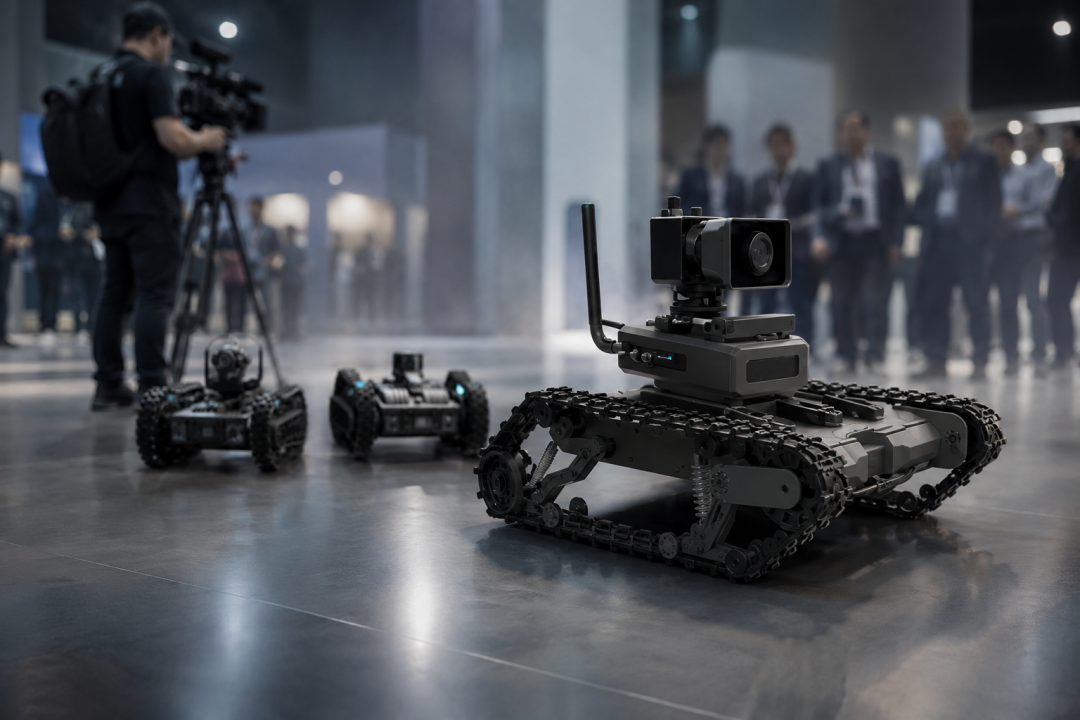
The suspicious-object neutralisation module features a quick-release interface that enables seamless, plug-and-play integration with our portable intelligent reconnaissance robot. This allows the same robot to identify a suspicious object and neutralise it safely, closing the operational gap between reconnaissance and threat response.
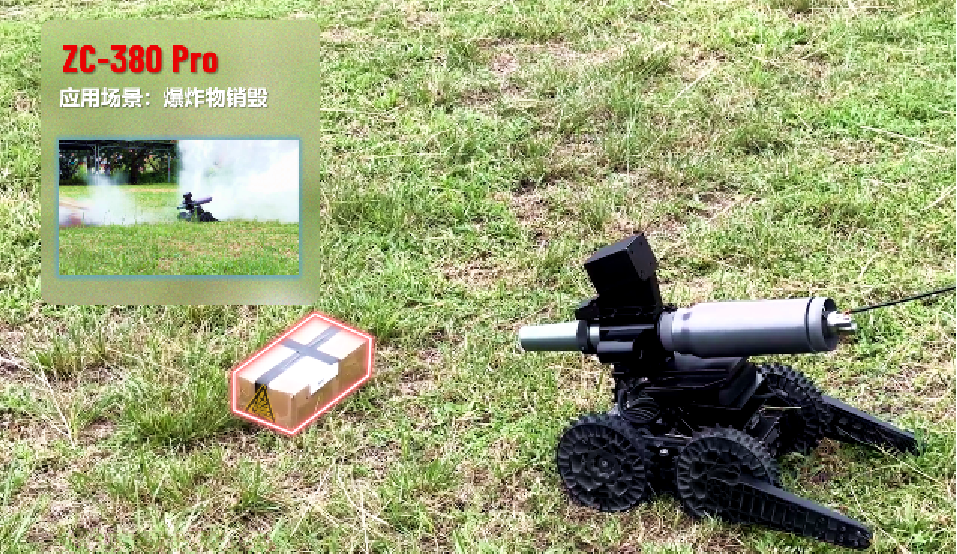
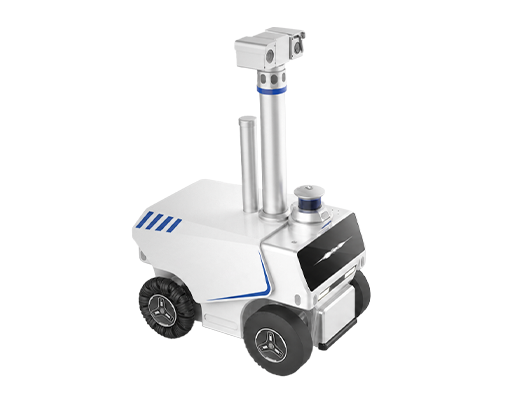
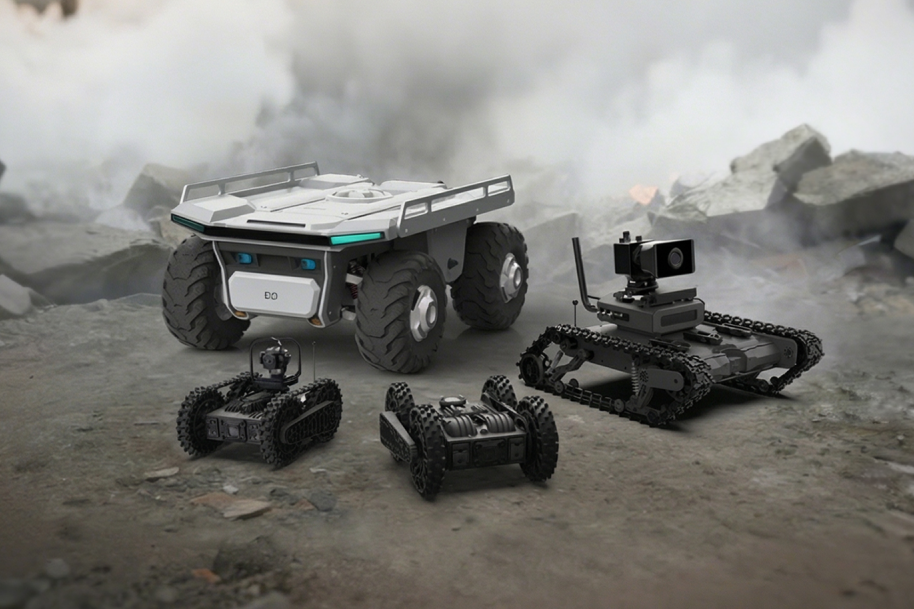
The award-winning modular top-module system extends far beyond a single function. In addition to the suspicious-object neutralisation module, it supports seamless switching between core modules for thermal imaging, 3D mapping, gas detection and two-way communication.
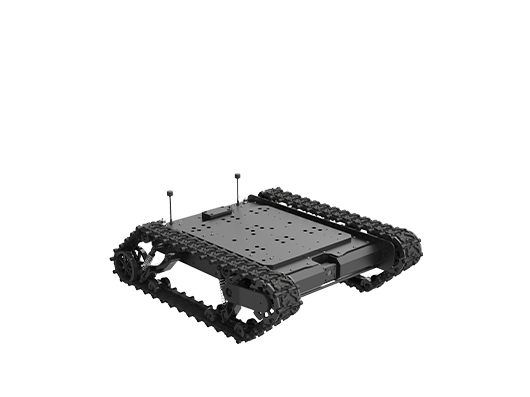
All modules use a standardised quick-release interface, transforming the portable reconnaissance robot from a single-purpose reconnaissance tool into a versatile operational platform. This one-platform, multiple-missions hardware architecture also establishes a solid foundation for the continued development of a broader product ecosystem.
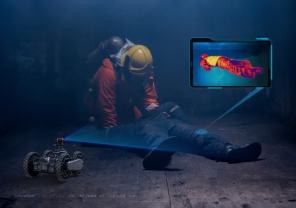
(1)Thermal Imaging Module
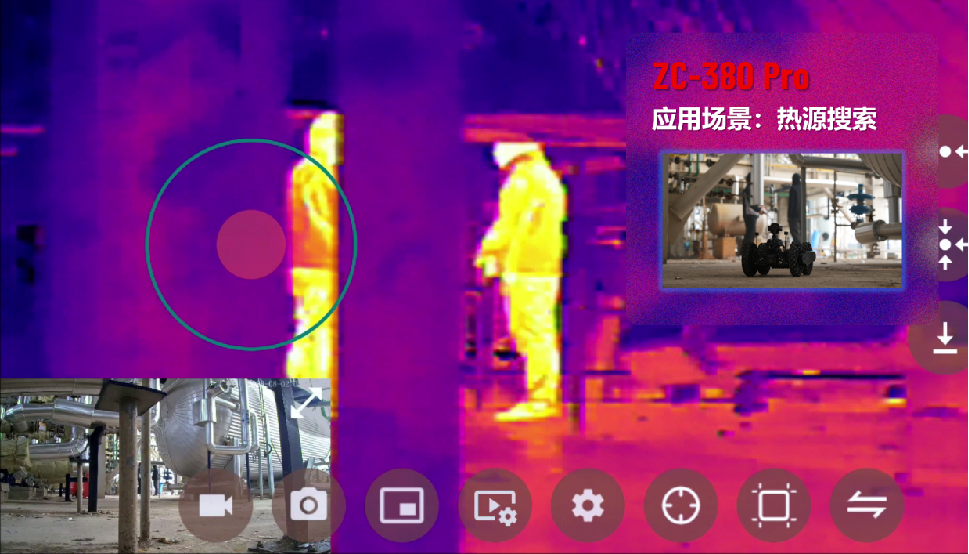
Equipped with a high-definition infrared thermal imaging camera, this module can operate effectively in low-visibility environments such as dense smoke, heavy fog and complete darkness, accurately identifying people, heat-generating equipment and concealed targets.
Applications: Night-time counterterrorism reconnaissance, inspection of industrial equipment for overheating risks and more.
(2)3D Mapping Module
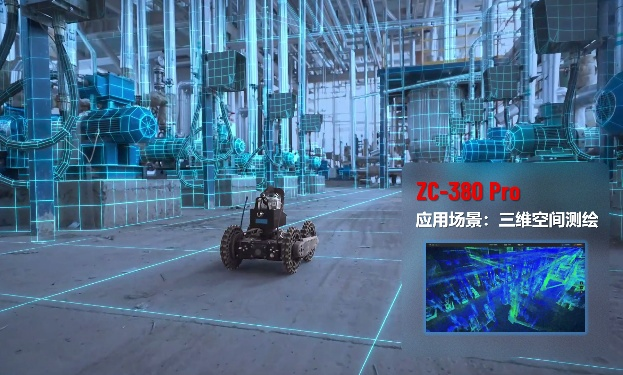
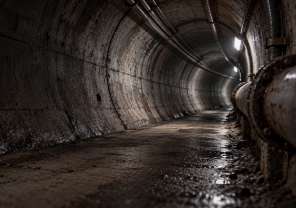
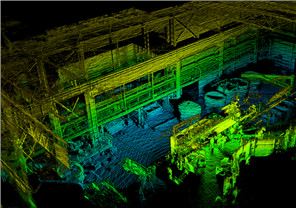
The module integrates 3D LiDAR and can complete three-dimensional modelling of a 1,000 m² area within five minutes. The generated map can be used directly for command deployment, rescue-route planning and other operational requirements.
Applications: Reconnaissance in underground spaces such as tunnels and basements, terrain mapping at earthquake sites and mining areas, and more.
(3)Gas Detection Module
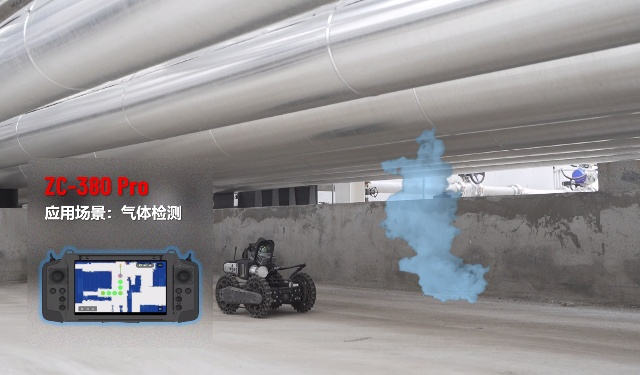
This module supports real-time detection of toxic, hazardous and combustible gases, including methane, carbon monoxide and hydrogen sulphide. If gas concentrations exceed preset thresholds, it automatically triggers audible and visual alarms while simultaneously uploading the data to the command system.
Applications: Underground utility network inspection and maintenance, leak detection in chemical industrial parks, environmental safety assessments at disaster sites, and early warning for confined-space operations.
(4)Two-Way Communication Module
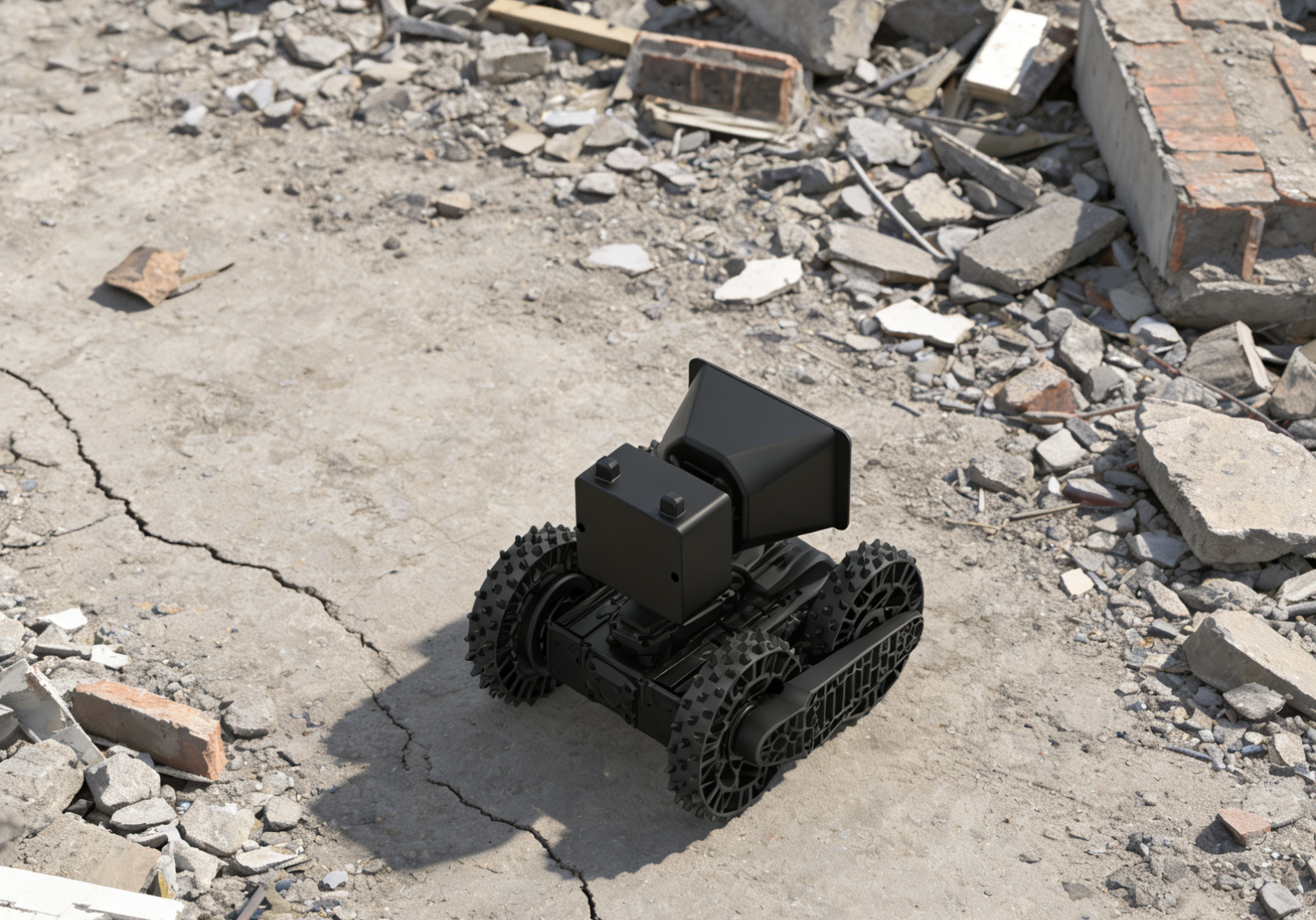
he module provides high-definition two-way voice communication, supports connectivity across multiple terminals and can record and archive audio to meet evidence-retention requirements.
Applications: Emergency search and rescue communication with trapped individuals, real-time instruction delivery during confined-space operations, and coordinated communication between multiple teams.
Looking ahead, Mingming Robotics will continue to advance its modular technologies, expand its product portfolio and transform special-purpose robots from end-to-end operational platforms into versatile safety partners.
We will deliver more efficient and reliable intelligent robotic solutions for a wider range of high-risk and high-frequency operational scenarios while continuing to drive technological progress across the industry.